If you’re like most parents we work with, you’ve probably tried everything. Behavior modification charts, occupational therapy sessions, dietary changes, calming techniques – yet your child’s struggles continue. You’ve dealt with constant tantrums, sensory meltdowns, and behavioral challenges that seem to come out of nowhere. When your child can only wear certain clothes, has extreme reactions to everyday sounds, or struggles with anxiety that makes simple activities feel impossible, it’s exhausting and heartbreaking.
Here’s what we want you to know: It’s not your fault. And it’s not their fault either.
The Shocking Reality About Children’s Health Today
Let’s start with some statistics that might surprise you. One in six children in the United States has a diagnosed developmental disability, and up to 40% of children now suffer from at least one chronic illness. These aren’t random numbers – they reflect a growing pattern that most healthcare providers are missing.
What if we told you that your child’s behavioral challenges, sensory issues, and health problems aren’t separate issues at all, but signs of one underlying problem that can finally be addressed? The real culprit behind most childhood struggles is something called nervous system dysregulation – and it’s the missing piece that most doctors never address.
Chloe’s Story: From Emotional Overwhelm to Inner Calm
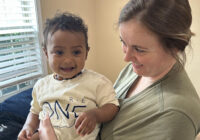
Let us share Chloe’s story — one that might resonate deeply if your child struggles with emotional regulation or sensory sensitivity. Before coming to One Family Chiropractic, Chloe’s nervous system was in a constant state of stress. Even the smallest change in her daily routine, like a different spoon at mealtime, could trigger a full-blown emotional meltdown. Her mom felt helpless — despite doing everything she could to support her daughter.
During her first visit, our INSiGHT scans showed that Chloe’s nervous system was stuck in a fight-or-flight state, with her “gas pedal” always on. This overload was making it hard for her to process daily challenges with ease or resilience. But as we began adjusting and helping her nervous system calm and coordinate, her brain and body started working together more efficiently.
And then came the moment her mom will never forget: “The first time I noticed a significant shift was when a spoon that my daughter always used was dirty. Previously, not being able to use it would have sent her over the edge, but she looked at me and said, ‘Okay, Mom, then can we wash it real quick so I can use it?’ I was so amazed.” From there, the breakthroughs just kept coming.
Today, Chloe is thriving. She feels more in control of her emotions, more confident in her body, and better able to handle life’s little curveballs — all because her nervous system is finally working with her instead of against her.
Understanding Nervous System Dysregulation
Your child’s tantrums, sensory meltdowns, and behavioral challenges aren’t character flaws or signs of bad behavior. They’re actually brilliant attempts by their nervous system to communicate that something is wrong.
Here are the facts: 7.1% of children aged 3-17 have been diagnosed with anxiety, 9.4% with ADHD, and 7.4% with behavior problems. But the common thread connecting all these challenges is nervous system dysregulation – when the autonomic nervous system gets stuck in “fight or flight” mode instead of smoothly transitioning between stress and calm states.
When your child’s nervous system is dysregulated, it affects everything:
- Their ability to process sensory input
- Emotional regulation
- Digestion and gut health
- Sleep patterns
- Immune function
- Learning and focus
The “Perfect Storm” That Creates Dysregulation
This dysregulation doesn’t happen overnight. It’s typically the result of what we call “The Perfect Storm” – an accumulation of stressors that can begin as early as pregnancy.
The First Piece: Prenatal Stress
Maternal stress hormones like cortisol can cross the placental barrier and alter the programming of your baby’s developing nervous system. This doesn’t mean you did anything wrong – life naturally includes stressful moments during pregnancy.
The Second Piece: Birth Trauma
Birth interventions like C-sections, forceps, vacuum delivery, or prolonged labor can create physical stress and misalignments in the upper neck and brainstem area. This can interfere with critical brain-body communication pathways from the very beginning.
The Third Piece: Early Childhood Stressors
Inadequate sleep, processed foods, environmental toxins, or even ordinary daily stressors can pile up in children with sensitive nervous systems, making it harder for them to find their footing and develop resilience.
The Gut-Brain Connection: Why Diet Alone Isn’t Enough
You may have tried dietary changes or probiotics for your child, and while these can be helpful, if you’re still struggling, there’s likely a missing piece: the nervous system’s foundational role in regulating digestion.
The vagus nerve serves as the superhighway between your child’s brain and digestive tract. It controls:
- Stomach acid production
- Muscle contractions that move food along
- The release of digestive enzymes
When the nervous system is stuck in “fight or flight” mode, it puts the brakes on all those crucial “rest, regulate, and digest” functions. This explains why gut-focused interventions often feel like you’re filling a leaky bucket – without addressing the nervous system foundation, the improvements don’t stick.
How to Identify and Address the Real Root Cause
The good news is that nervous system dysregulation can be identified and addressed. Advanced scanning technology, called INSiGHT Scans, can objectively measure your child’s nervous system function and identify specific areas of stress, tension, and dysregulation.
These assessments include:
- Surface EMG to measure neuromuscular tension
- Thermography to assess autonomic nervous system function
- Heart rate variability to evaluate nervous system balance and resilience
Through gentle, specific neurologically-focused care, it’s possible to help restore optimal brain-body communication, allowing your child’s nervous system to shift from dysregulation back to natural regulation and resilience.
What This Means for Your Family
Understanding that your child’s challenges stem from nervous system dysregulation rather than behavioral issues changes everything. It means:
- There’s hope for real, lasting change – not just managing symptoms
- Your child isn’t broken – their nervous system just needs support to function optimally
- You’re not failing as a parent – you’re dealing with a neurological challenge that requires the right approach
- Multiple symptoms can improve together – because they’re all connected to the same root cause
There Is a Way Forward — And We Can Help You Find It
If your child faces challenges like sensory overwhelm, emotional dysregulation, anxiety, or difficulty adapting to change, you are not alone — and you’re not out of options. At One Family Chiropractic, we specialize in helping children like Chloe by focusing on the health of the nervous system — the true foundation of regulation, healing, and resilience.
We believe every child deserves the chance to thrive, not just survive. If you’re ready to explore neurologically based chiropractic care, we’d love to walk alongside you and your family. Schedule a consultation with us today — and if you’re not local, check the PX Docs directory to find a like-minded office near you.
Chloe’s story is just one of many that show what’s possible when we look beneath the surface and support the body where it needs it most. There is hope. There are answers. And there is a path forward.